
You have found several albums and would like to understand what they contain. Do you need to photograph every stamp? Start by showing how the collection is organised. A small set of clear images helps us prepare for an initial conversation and identify anything that needs closer examination.
Show the size and organisation of the collection
Take an overview of the albums, binders and boxes, showing their covers or labels. If they do not all fit in one photograph, take several views. Simply note how many albums and boxes you have: this is more useful than guessing the number of stamps.
Keep the existing order. An album devoted to one country, a box of letters and a thematic binder are three separate groups: show them separately, even if you do not yet know their significance.

Choose several representative pages
Photograph a few pages from each type of album. Show a whole page before adding a close-up, so the item can be seen in context. Include pages from different periods or countries if the collection is varied. Do not select only the most colourful stamps or those you think are expensive.
Hold your phone facing the page in diffuse light. Check that inscriptions remain legible when you enlarge the image. If a sleeve reflects the light, slightly change the angle or the position of the lamp. Do not remove a stamp attached to a page just to take a better photograph.
Keep letters and their documents together
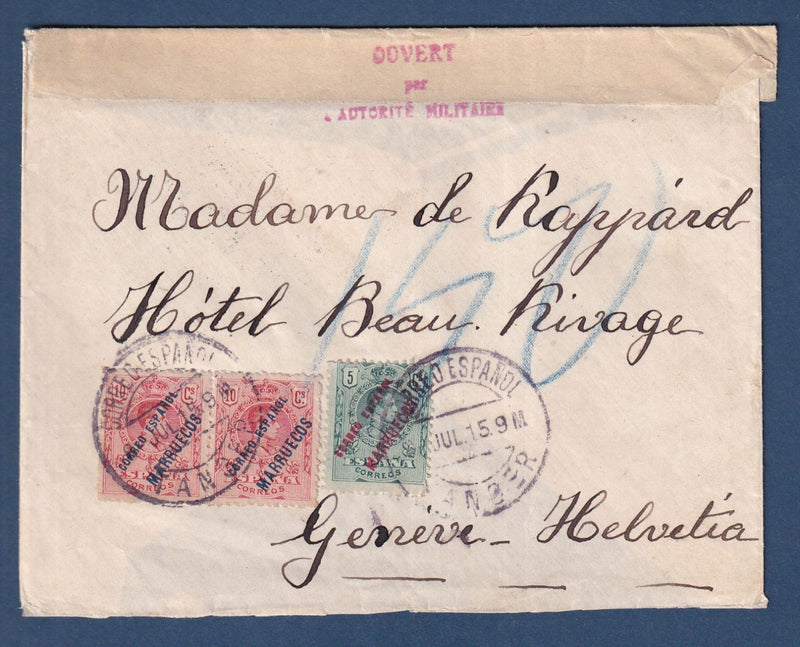
For a letter, show the whole envelope, then its reverse if you can turn it over safely. Add a close-up of the stamps and postmarks. Do not cut out the franking: the photograph should show the document as a whole.
Certificates, old invoices and filing notes can also help. Associate each document with the relevant item where the connection is known. You may conceal personal contact details that are not needed for the assessment on your photographic copies.
Organise your photographs so they are easy to follow
For example, name your images “Album A — cover”, “Album A — page 1”, “Album A — detail”, then “Box B — overview”. This is an example of organisation, not a compulsory inventory. You do not need to identify every stamp before contacting us.
Include a few lines about the collection's family origin, if known, the number of albums and boxes, the town where they are kept and what you would like to do: understand, keep, pass on or consider selling the collection. “I don't know” is fine where information is missing.
What these initial images can tell us
Our initial opinion based on photographs is free, confidential and comes with no obligation to sell. It helps guide the next steps; an image cannot always confirm the gum, a subtle flaw or an item's authenticity. Depending on the material, direct examination may be necessary. Find out how our stamp valuation service works.
Before handling a fragile or stuck page, read our conservation advice. For information about the support we offer families, visit our inherited collections page.
Tell us about your collection and prepare for an initial conversation →